LinkedIn Headshots NYC for Professionals, Job Seekers and Business Leaders
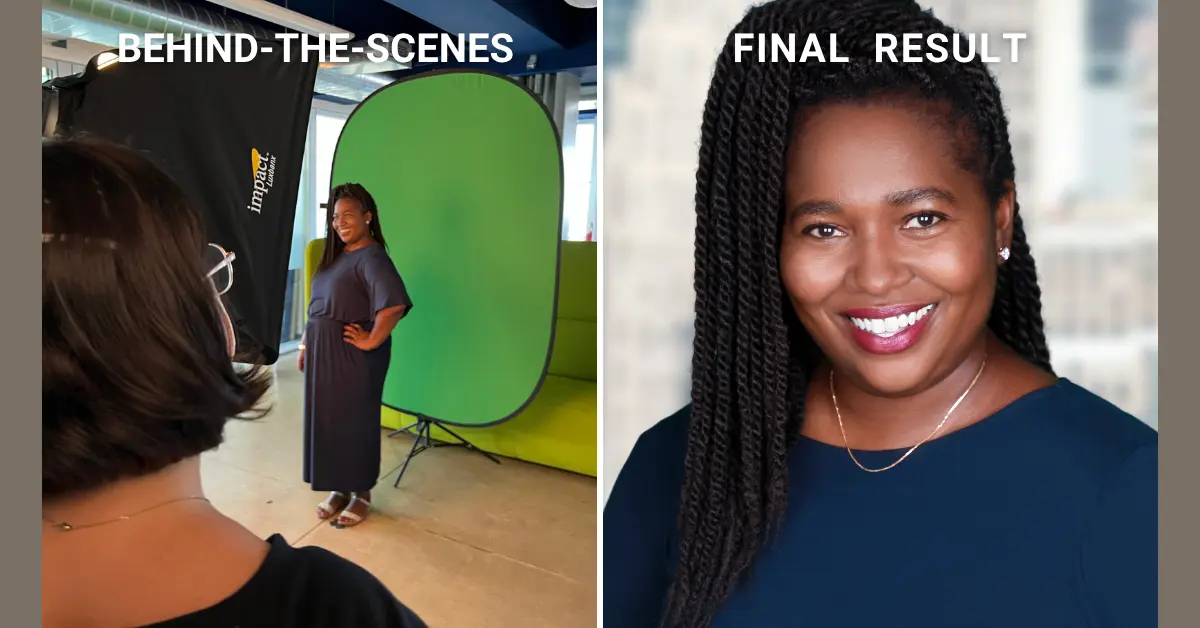
LinkedIn is often the first place people evaluate you professionally.
Before a conversation.
Before a meeting.
Before any direct interaction.
In a city like New York, that first impression is fast and competitive.
Most profiles are scanned in seconds, not minutes.
A strong LinkedIn headshot in NYC helps control that moment.
It communicates clarity, confidence, and professional readiness without needing explanation.
This is not about looking “good” in a general sense.
It is about being perceived correctly for the role you already have or are stepping into.
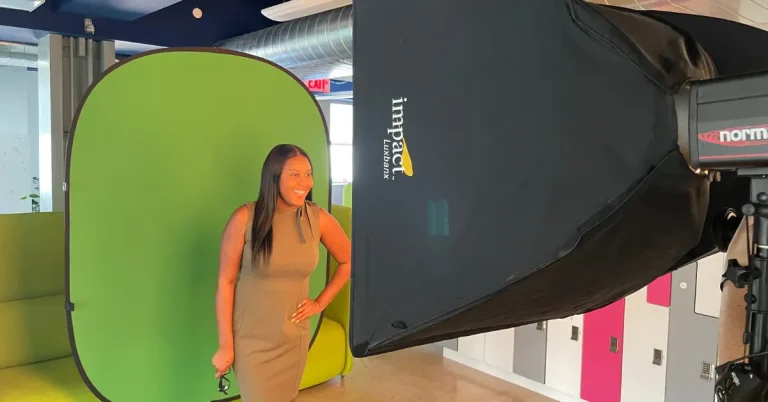
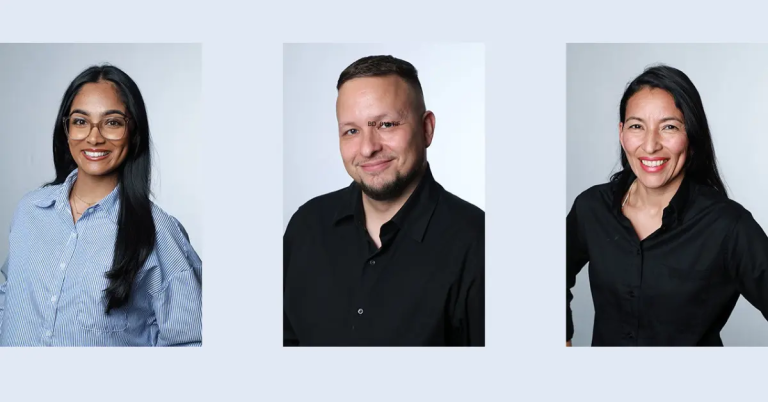
Structured headshot sessions designed to create natural, confident images that professionals actually use on LinkedIn, corporate profiles, and personal branding platforms.
Trusted by professionals across finance, legal, consulting, healthcare, and corporate leadership teams in New York City.
CTA:
Book a Session
Check Availability
2. AUTHORITY STRIP
Years of professional headshot experience in NYC
Work with corporate teams and individual professionals across multiple industries
Experience with high-trust sectors including finance, law, healthcare, and consulting
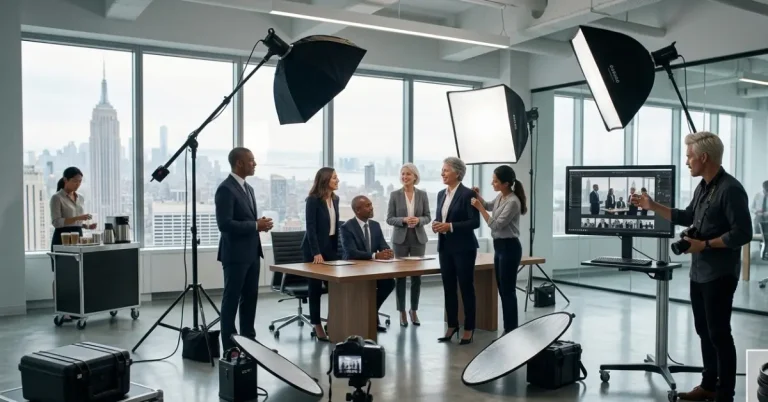
On-site office sessions and controlled studio environments available
This is not casual portrait photography.
It is structured visual work designed for professionals whose image directly influences credibility, trust, and opportunity.
3. WHAT PEOPLE ARE REALLY SEARCHING FOR
What LinkedIn Headshots in NYC Actually Solve
Most people are not actually searching for a “photoshoot.”
That is just the surface level request.
What they are really trying to fix is how they are perceived in professional environments where first impressions happen quickly and quietly.
In NYC especially, that perception gap shows up fast on LinkedIn.
Recruiters, hiring managers, and clients form an opinion before they ever read your experience.
So the search is rarely about photography.
It is about outcomes.
People are searching for outcomes, not images
When someone looks up LinkedIn headshots in NYC, the real intent usually falls into a few categories:
- credibility online that matches their actual role
- a stronger and more current LinkedIn presence
- better response rates from recruiters and hiring teams
- clearer professional positioning in competitive industries
The photo itself is not the goal.
It is the tool used to improve how seriously someone is taken in a professional context.
This shows up in real search behavior
Different search phrases point to the same underlying need:
- professional headshots NYC
- corporate headshots NYC
- LinkedIn profile photo NYC
- executive headshots NYC
On the surface, these look like variations.
But the intent behind them is consistent.
People want to look credible in environments where attention is limited and decisions are fast.
The real problem behind the search
Most professionals already have a photo.
The issue is not absence.
It is misalignment.
Their current image often feels:
- outdated compared to their current role
- too casual for their industry expectations
- inconsistent with how they want to be perceived
- or simply ignored because it doesn’t feel credible enough
So they search for a replacement.
Not to upgrade appearance.
But to correct perception.
4. Why Most Professionals Are Unhappy With Their Current LinkedIn Photo
Most professionals don’t actively think about their LinkedIn photo until something forces them to.
A promotion.
A job search.
A website update.
A recruiter reaching out.
Then suddenly, the image feels wrong.
Not necessarily bad.
Just out of sync with who they are now.
The most common issues people notice
In practice, dissatisfaction usually comes from a few repeating patterns:
- the photo looks outdated compared to their current role or appearance
- they avoid updating LinkedIn because the image doesn’t feel accurate anymore
- they rely on old event photos or casual images from non-professional settings
- their profile picture doesn’t match the level of responsibility they now hold
None of these are technical photography problems.
They are perception problems.
What this looks like in real situations
You see it most clearly in professional transitions.
Someone gets promoted, but their photo still looks like they are in an entry-level role.
Someone moves into leadership, but their image still feels casual or unintentional.
Someone becomes client-facing, but their profile picture doesn’t communicate authority or trust.
So instead of reinforcing their current position, the photo quietly works against it.
The key insight most people miss
The issue is not photography quality.
Most of these photos are technically fine.
Lighting is acceptable.
Sharpness is fine.
Framing is okay.
The real issue is something deeper.
It is identity mismatch.
The image no longer matches how the person operates professionally, or how they need to be perceived in a competitive market like NYC.
And when that gap exists, people don’t fix it immediately.
They delay updating their photo, avoid using LinkedIn actively, or continue showing a version of themselves that no longer reflects their current level.
5. What Happens When Your LinkedIn Photo Is Outdated
An outdated LinkedIn photo does not usually create an immediate problem.
Nothing breaks overnight.
There is no obvious moment where things stop working.
But in professional environments like NYC, small perception gaps start building quietly in the background.
And over time, they influence how people respond to your profile.
Weaker first impressions
Most LinkedIn decisions happen fast.
People do not analyze profiles deeply at first glance.
They react.
If the photo feels outdated or inconsistent with the role, it creates hesitation.
Not rejection.
Just less immediate confidence.
And that small hesitation changes how the rest of the profile is read.
Reduced recruiter engagement
Recruiters review dozens of profiles in short timeframes.
They are trained to scan quickly and move on quickly.
A weak or outdated image does not stop the search.
But it reduces interest in pausing or engaging further.
Small drop in attention becomes fewer profile clicks and fewer follow-ups.
Lower profile credibility
Credibility online is not built only through experience.
It is reinforced through consistency.
When the image does not match the role, level, or industry expectation, it creates friction.
Even if the experience is strong, the perception feels slightly off.
That inconsistency weakens overall trust.
Hesitation to share or network
Many professionals avoid sharing their LinkedIn profile more than they need to.
Not because of experience.
But because of how they look on the page.
This shows up in subtle ways:
- delaying profile updates
- avoiding public sharing
- not using LinkedIn actively in networking situations
The image becomes a silent limitation.
Career perception lagging behind actual role
One of the most overlooked effects is timing.
Careers move forward.
Titles change.
Responsibility increases.
But the online image often stays the same.
Over time, this creates a gap between:
- how you actually operate
- and how you are perceived online
In competitive markets like NYC, that gap can influence opportunities long before any direct conversation happens.
The cost of doing nothing is rarely visible in the short term.
There is no single moment where it clearly breaks.
But it compounds quietly over time.
And eventually, your online presence stops reflecting the level you are actually operating at.
6. Who Needs a LinkedIn Headshot in NYC
LinkedIn headshots in NYC are not limited to one type of professional.
They are used across industries where credibility, trust, and first impressions directly impact opportunities.
In most cases, the need shows up during a transition, visibility increase, or career update.
Core professional groups
Finance professionals
Banking, investment, wealth management, and related roles where trust and authority matter immediately.
Legal professionals
Attorneys, associates, and partners where credibility and professionalism are central to client perception.
Consultants
Client-facing roles where personal authority and clarity directly influence engagement.
Healthcare professionals
Physicians, administrators, and clinical leaders where trust and approachability are essential.
Tech professionals
Founders, engineers, and product leaders building visibility in competitive and fast-moving environments.
Executives and managers
Leadership roles where representation impacts both internal perception and external credibility.
Job seekers in competitive industries
Professionals actively applying or preparing for new roles in high-volume recruitment markets like NYC.
Founders and entrepreneurs
Individuals building personal and company visibility for investors, clients, and hiring.
Common triggers for booking
Most people do not update their LinkedIn photo randomly.
There is usually a clear trigger behind the decision.
Promotion or new role
The current image no longer reflects the new level of responsibility.
Active job search
The profile becomes more visible to recruiters and needs to support stronger first impressions.
Outdated LinkedIn photo
The existing image no longer represents how the person currently looks or operates professionally.
Personal branding update
Professionals building visibility across LinkedIn, speaking engagements, or industry positioning.
Company rebrand or new website
Teams and leadership need updated images that match new brand direction and visual standards.
This service is not defined by industry alone.
It is defined by timing.
Most clients reach out when their professional identity has changed, but their online image has not caught up yet.
7. Why Most LinkedIn Headshots Don’t Get Used
Most LinkedIn headshots do not fail because they look bad.
In fact, many of them are technically strong.
Good lighting. Clean framing. Proper exposure.
But they still don’t get used.
That is the real problem.
Technically good photos are still rejected
A common assumption is that better photography automatically solves the issue.
In reality, clients often receive images that are perfectly fine on a technical level.
And still decide not to use them.
The reason is not quality.
It is perception.
The image does not feel aligned enough to represent them professionally.
Clients don’t feel like themselves
This is the most common reason for rejection.
Even when the photo looks professional, something feels off to the person in it.
It can be subtle:
- expression feels too forced
- posture feels unfamiliar
- energy feels slightly different from how they present themselves in real life
So instead of updating their profile, they hesitate.
And the old photo stays.
Employees avoid updating profiles
In corporate environments, this becomes even more visible.
Teams receive new headshots, but not everyone uses them.
Some delay updating LinkedIn.
Some continue using older images.
Some quietly ignore the new set altogether.
The result is inconsistency between what the company provides and what individuals actually choose to display.
Inconsistency across teams and platforms
Another common issue is visual mismatch.
Even within the same organization:
- LinkedIn profiles look different
- internal directories feel inconsistent
- website team pages appear uneven
This weakens overall brand perception.
Not dramatically.
But enough to reduce visual credibility at scale.
A good photo is not enough.
It has to be usable.
If a professional does not feel confident enough to apply the image across LinkedIn, internal platforms, and client-facing contexts, the photo does not succeed.
And that is where most headshots quietly fail.
8. A Structured Process Designed for Usable Professional Images
Most people assume a headshot session is about taking better photos.
In reality, the outcome is decided long before the final image is taken.
It depends on how the subject behaves in front of the camera.
That is where this approach is different.
It is not centered around equipment or setup.
It is centered around guiding behavior in real time so the final images are actually usable in professional contexts like LinkedIn and corporate profiles.
Reduces anxiety quickly
Most clients start slightly tense.
That is normal.
The first priority is removing that resistance early so the person is not thinking about how they look.
Once anxiety drops, expression becomes more natural without forcing anything.
Guides natural expression in real time
Expression is not left to chance.
It is shaped during the session through subtle direction.
Instead of asking people to “pose,” adjustments are made continuously based on what is actually happening in the moment.
This keeps the result natural while still intentional.
Adapts pacing per individual
Not everyone responds the same way in front of a camera.
Some people need faster pacing to stay out of their head.
Others need slower progression to build confidence gradually.
The process adjusts in real time so the subject is always in a workable state, not a forced one.
Captures expression windows
There are short moments in every session when everything aligns.
Tension drops. Expression softens. Presence becomes natural.
These moments are not random.
They appear briefly, then disappear.
The process is designed to recognize and capture them consistently instead of relying on luck.
Ensures final images are selected and used
The process does not end when the shoot is over.
It extends into selection.
Images are guided toward usability, not just appearance.
That means the final set is chosen with one priority:
Will this actually be used on LinkedIn, internal profiles, and professional platforms?
If not, it is not considered a successful result.
This is not photography in the traditional sense.
It is behavioral direction applied in real time.
The goal is not to produce “good photos.”
The goal is to produce images that professionals confidently use without hesitation.
9. How a LinkedIn Headshot Session Works in NYC
Most people expect a complicated or technical experience.
It is not.
The process is structured, predictable, and designed to remove uncertainty from the client side while keeping control of expression in real time.
Each step builds toward one outcome.
Usable professional images that fit LinkedIn and corporate environments.
Direction + comfort calibration
The session begins by removing hesitation.
Most clients arrive slightly unsure of what to do in front of the camera.
This stage is about settling that immediately.
Simple direction is given so the person stops overthinking and starts responding naturally.
Real-time expression coaching
Expression is adjusted while the session is happening.
Not before.
Not after.
During.
Small changes in posture, eye engagement, and facial tension are guided continuously so the result feels natural, not staged.
Adaptive pacing
The speed of the session is not fixed.
It changes based on the person in front of the camera.
Some clients need quicker shooting to stay relaxed.
Others need slower pacing to build confidence gradually.
The rhythm adjusts until the expression becomes stable and usable.
Expression capture window
At a certain point, the subject becomes more natural.
Tension drops. Expression settles. Presence becomes consistent.
This is the capture window.
It is short and often subtle.
The process is designed to recognize it and prioritize shooting during that moment.
Selection guidance
After the session, the focus shifts to choosing images that will actually be used.
Not just liked.
But used.
Selections are guided toward clarity, confidence, and professional alignment with LinkedIn and corporate profiles.
The goal is simple.
No confusion during selection.
Only usable outcomes.
Natural retouching
Final images are refined, not transformed.
The purpose of retouching is to remove distractions, not change identity.
Adjustments stay subtle so the image still feels like the same person, just more polished and ready for professional use.
The process is intentionally simple from the client’s perspective.
But structured behind the scenes.
Every step is designed to remove uncertainty and produce images that professionals actually feel comfortable using across LinkedIn and corporate platforms.
10. What the Session Feels Like From Start to Finish
Most clients do not walk in feeling camera-ready.
That is expected.
The experience is designed to move them through a clear emotional shift, not just a technical photo process.
From hesitation to comfort.
From discomfort to usable confidence.
Before
Nervous.
Stiff.
Unsure of what to do.
Most people arrive thinking they need to “perform” in front of the camera.
There is often hesitation in posture and expression.
Some already assume they are not photogenic.
Nothing unusual about it.
It is the starting point for most sessions.
During
Guided.
Relaxed quickly.
Confidence starts increasing without forcing it.
Once the session begins, the structure removes uncertainty.
Clients are not left guessing how to stand or what to do.
That guidance reduces tension fast.
Within minutes, the shift becomes visible.
Expression becomes more natural.
Movement feels less controlled.
After
Surprised by results.
Willing to actually use the images.
Stronger professional confidence online.
Most clients do not expect to like their photos as much as they do.
That reaction is common.
The final images feel closer to how they see themselves professionally, not how they expected to look on camera.
As a result, they actually use them across LinkedIn, internal profiles, and professional platforms instead of avoiding them.
The experience is not just about taking better photos.
It is about shifting how people feel about being photographed.
That emotional shift is what makes the final images usable in real professional contexts.
11. What Professionals Say After Their Session
Most clients come in with hesitation.
That is consistent across industries.
Finance, legal, tech, healthcare, consulting.
The feedback after the session usually centers around the same shift.
How easy it felt.
And how usable the final images are.
“I hate photos but this was different”
This is one of the most common reactions.
Clients who normally avoid being photographed report a different experience here.
Not because they suddenly enjoy photos.
But because the process removes pressure and uncertainty.
They feel guided the entire time, which changes how they show up in front of the camera.
Natural, comfortable experience
Many clients highlight how quickly they relaxed during the session.
The structure removes awkwardness early.
There is no guessing, no forced posing, no unclear direction.
That simplicity is what creates comfort.
And that comfort shows in the final images.
Leadership and team consistency
Corporate teams often focus on consistency across profiles.
One of the strongest outcomes reported is visual alignment across departments.
Leadership and staff images feel unified without losing individuality.
This improves how teams present themselves internally and externally.
Especially on websites and professional directories.
Improved professional credibility
Clients frequently mention that their updated images change how they feel online.
Not in a superficial way.
But in how they show up on LinkedIn and other platforms.
Profiles feel more aligned with their actual role.
This improves confidence when sharing profiles or engaging in outreach.
Repeat bookings and referrals
A large portion of future work comes from repeat clients and internal referrals.
Teams return for updates.
New employees are added into existing sessions.
Executives refer colleagues within the same organization.
This pattern is driven by one factor.
The images get used.
Not just delivered.
Social proof here is not about praise.
It is about behavior.
When professionals feel comfortable, trust the process, and actually use the final images, the results naturally lead to repeat bookings and referrals.
12. LinkedIn Headshots vs Corporate Headshots in NYC
These two services often get confused.
They use similar tools.
Same cameras. Same lighting principles. Same environments.
But the purpose behind them is completely different.
Understanding this difference matters because it changes how the session is structured and what the final images are designed to achieve.
LinkedIn Headshots
LinkedIn headshots are built for individuals.
The focus is personal visibility.
The goal is to improve how one person shows up across digital platforms like LinkedIn and professional profiles.
They are commonly used for:
- personal branding
- job searching and career transitions
- recruiter visibility
- professional networking
- profile optimization
The key outcome is clarity.
You look credible, current, and aligned with your role in a one-on-one professional context.
This is not about team alignment.
It is about individual positioning.
Corporate Headshots
Corporate headshots serve a different function.
They are built for organizations, not individuals.
The goal is consistency across teams and alignment with brand identity.
They are commonly used for:
- company websites and leadership pages
- internal directories and HR systems
- marketing and communications materials
- press and external brand assets
The key outcome is uniformity.
Different people, same visual standard.
Lighting, framing, and styling are structured to ensure the team looks cohesive across the entire organization.
This strengthens brand perception at scale.
LinkedIn headshots focus on how one person is perceived externally.
Corporate headshots focus on how an entire organization is perceived collectively.
One improves individual visibility.
The other improves brand consistency.
Both are important.
But they solve different problems depending on whether the goal is personal positioning or company-wide representation.
13. LinkedIn Headshot Sessions Available in NYC
LinkedIn headshot sessions in NYC are designed to be flexible.
Most professionals do not have time for long or complicated shoots.
The options are structured to match different schedules, team sizes, and urgency levels while still producing consistent, usable results for LinkedIn and corporate profiles.
30–60 minute sessions
These are the most common option for individual professionals.
The session is focused and efficient.
It is designed to fit into a normal workday without disruption.
Most of the time is spent on guided expression work and capturing usable variations quickly.
This option works well for:
- LinkedIn profile updates
- job search preparation
- personal branding refresh
- individual executive portraits
Studio sessions
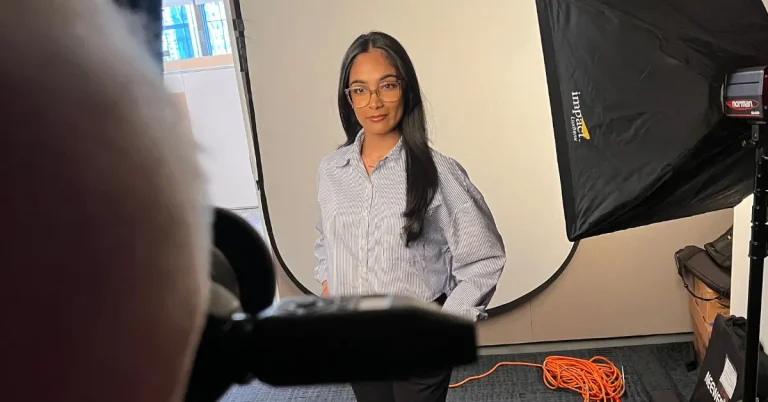
Studio sessions provide a controlled environment.
Lighting, background, and framing are fully structured.
This removes external variables and keeps the focus entirely on expression and positioning.
Studio setups are often preferred when consistency and precision are the priority.
Especially for professionals who want a clean, standardized look.
On-site office sessions
On-site sessions are designed for convenience and scale.
The setup is brought directly to your workplace.
This is commonly used by companies in NYC where scheduling individual studio visits is not practical.
It works well for:
- leadership teams
- department-wide updates
- full company headshot days
The goal is minimal disruption while maintaining consistency across all team members.
Team headshot days
Team sessions are structured for organizations updating multiple profiles at once.
Employees are scheduled in short, efficient time slots.
The process is designed to keep flow smooth while maintaining visual consistency across the group.
This is commonly used for:
- company website updates
- rebrands or new launches
- HR-driven profile standardization
The focus is alignment across people and roles.
Fast turnaround options
Some situations require speed.
Recruiting cycles, promotions, press features, or urgent profile updates often do not allow long delivery timelines.
Fast turnaround options are available when needed.
The goal is to deliver usable LinkedIn-ready images quickly without compromising consistency or clarity.
Session options are not just about duration or location.
They are designed around how professionals actually work in NYC.
Fast, structured, and adaptable sessions ensure the final result is always usable across LinkedIn, corporate profiles, and professional platforms.
14. Common LinkedIn Headshot Mistakes Professionals Make
Most LinkedIn headshot issues are not obvious at first.
People do not usually notice them themselves.
But recruiters, clients, and colleagues do.
These small details quietly influence how professional credibility is perceived online.
Selfies or cropped photos
One of the most common mistakes is using a selfie or cropped image from a group setting.
It often feels convenient in the moment.
But it reduces perceived professionalism immediately.
The framing is usually tight, the lighting is uncontrolled, and the composition is not designed for LinkedIn or corporate use.
Outdated images
Many professionals continue using photos that are several years old.
Even when their role, appearance, or position has changed.
This creates a disconnect between current identity and online presence.
In fast-moving markets like NYC, that gap becomes noticeable quickly.
Inconsistent lighting
Lighting inconsistency is often overlooked.
Different tones, shadows, or exposure levels can make an image feel less intentional.
Even if the person looks good, the lack of visual control reduces overall credibility.
It creates a sense that the image was not planned for professional use.
Over-edited portraits
Heavy retouching is another common issue.
When skin texture disappears or features look overly smoothed, the image starts to feel artificial.
Instead of increasing confidence, it can reduce trust.
People prefer clarity over perfection when evaluating professional profiles.
Unclear expression
Expression is one of the most important factors in a LinkedIn photo.
But it is also where most issues happen.
Too serious can feel distant.
Too casual can feel unprofessional.
Uncertain expression creates hesitation in how the person is perceived.
The goal is a balanced, natural presence that feels intentional and approachable.
These mistakes are rarely intentional.
But they reduce trust without people realizing it.
And in professional environments like LinkedIn, small trust gaps often decide whether someone moves forward or keeps scrolling.
15. LinkedIn Headshot Pricing in NYC
Pricing for LinkedIn headshots in NYC is not fixed in a one-size-fits-all way.
That is intentional.
Different professionals need different levels of structure, speed, and scale depending on how the images will be used.
The pricing reflects that variation.
Not just the time spent taking photos.
Depends on scope
The main factor is scope.
A single professional updating a LinkedIn profile is very different from a leadership team updating an entire company website.
Scope affects planning, direction, selection, and delivery.
The more structured the requirement, the more involved the process becomes.
Studio vs on-site
Studio sessions are typically more controlled.
Lighting and environment are fully standardized.
This works well for individual LinkedIn updates or focused personal branding sessions.
On-site sessions are designed for convenience and scale.
They are used when multiple people need to be photographed in one location, usually within corporate environments in NYC.
Number of people
The number of individuals involved directly affects pricing structure.
One person requires a different workflow than a team of ten, fifty, or more.
Group sessions involve scheduling, coordination, and consistency across all participants.
This changes the overall setup and execution approach.
Turnaround speed
Delivery speed can also influence pricing.
Standard delivery allows for normal selection and refinement.
Faster turnaround requires prioritized editing and shorter production timelines.
This is often used for urgent LinkedIn updates, hiring cycles, or press-related needs.
Usage requirements
How the images will be used also matters.
A simple LinkedIn profile update is different from full corporate usage across websites, internal directories, and external communications.
Broader usage typically requires more structured consistency and selection guidance.
Pricing is not based on photography alone.
It is based on how the images will be used in real professional environments.
The value comes from creating photos that are actually used across LinkedIn, corporate platforms, and career-facing contexts.
16. Frequently Asked Questions About LinkedIn Headshots in NYC
This section answers the most common questions professionals ask before booking a LinkedIn headshot session in NYC.
The goal is clarity.
No assumptions.
Just direct answers based on how the process actually works.
How long does a session take?
Most LinkedIn headshot sessions take 30 to 60 minutes.
The exact timing depends on the individual and the number of usable expressions captured.
The process is designed to be efficient, structured, and suitable for a normal workday.
What should I wear?
Wear professional clothing that matches your current role or target position.
Solid colors usually work best.
Avoid busy patterns or overly casual outfits unless your industry specifically supports that look.
The goal is alignment with how you want to be perceived on LinkedIn and professional platforms.
Do you retouch images?
Yes.
All selected images are professionally retouched.
The goal is not to change how you look.
Retouching focuses on clean, natural adjustments like lighting balance, minor distractions, and subtle refinement.
The final result should still feel like you, just more polished and ready for professional use.
Can sessions be done in-office?
Yes.
On-site office sessions are available across NYC.
This option is commonly used by companies, leadership teams, and organizations updating multiple profiles at once.
It reduces disruption and allows teams to be photographed in their own environment.
How fast is delivery?
Delivery time depends on the project scope.
Standard turnaround is typically fast and structured to support professional use.
Rush options are available when needed for urgent LinkedIn updates, hiring timelines, or press-related requirements.
What makes a good LinkedIn photo?
A strong LinkedIn photo is clear, natural, and professionally aligned.
It should communicate three things:
Confidence without pressure
Approachability without casual tone
Professional presence without stiffness
The goal is simple.
Trust at first glance.
Not perfection.
17. Book Your LinkedIn Headshot in NYC
Your LinkedIn photo is often the first signal of credibility.
Before your experience is read.
Before your achievements are scanned.
Before a recruiter or client decides to respond.
This is the moment that shapes perception.
A strong LinkedIn headshot brings alignment between how you operate professionally and how you are seen online.
It supports confidence in your profile.
It strengthens your professional presence.
And it removes the hesitation that comes from an outdated or unclear image.
The goal is simple.
You show up online the way you already show up in your career.
Clear.
Confident.
Aligned with your current role.
Take the next step
Book a LinkedIn headshot session in NYC to update your professional image with structure, clarity, and consistency.
CTA
Book Session
Check Availability