NYC On-Site Corporate Headshots for Companies, Teams and Executives
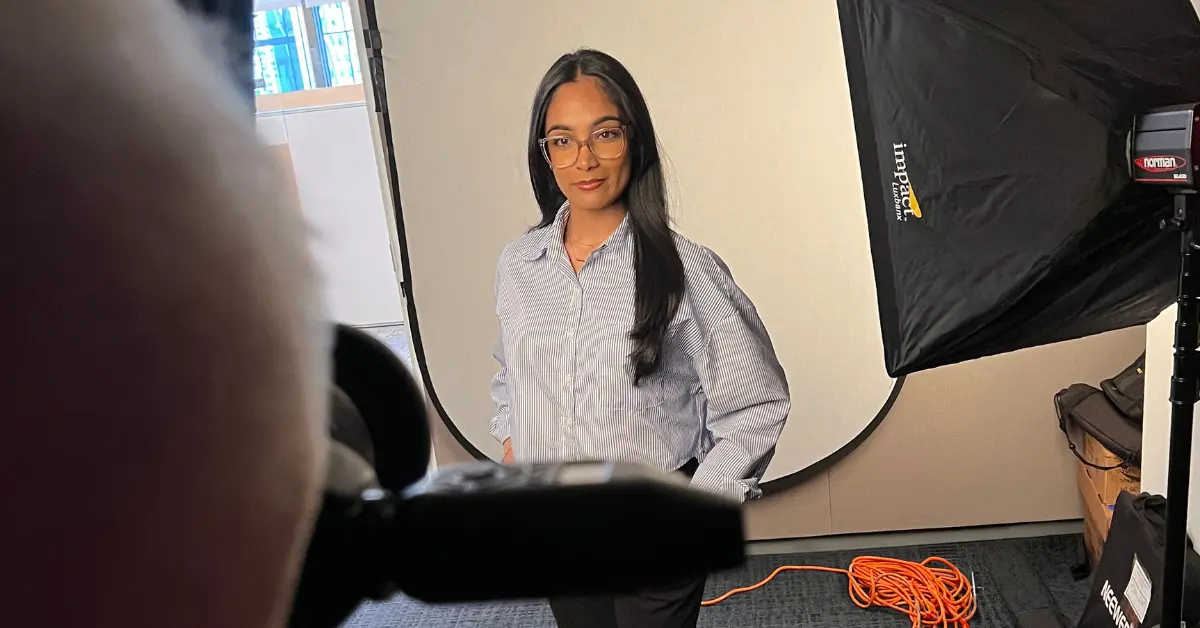
Most corporate headshots are taken during a version of the company that no longer exists.
The haircut is different.
The position is different.
Sometimes the confidence is different.
Yet that image continues representing them on LinkedIn, company websites, conference speaker pages, investor presentations, and client-facing materials.
First impressions happen before a conversation begins.
Before someone reads a biography.
Before they review credentials.
Before they see years of experience.
The photograph gets there first.
That’s why companies across New York invest in professional corporate headshots for executives, leadership teams and employees.
Not because they need another picture.
Because they need images that accurately represent the people behind the business.
Studio-Quality Corporate Headshots at Your NYC Office
Pulling employees away from work for individual studio appointments sounds simple.
In reality, it rarely is.
Calendars fill up.
People reschedule.
Employees put it off.
Weeks turn into months.
The result is a company website filled with outdated portraits, inconsistent images, and missing team photos.
On-site corporate headshots solve that problem.
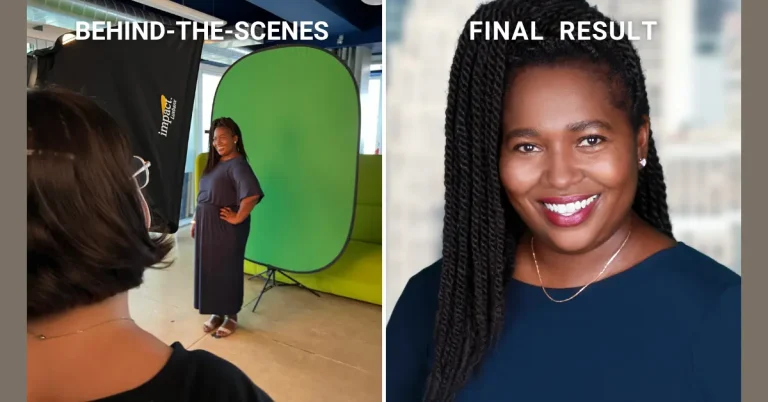
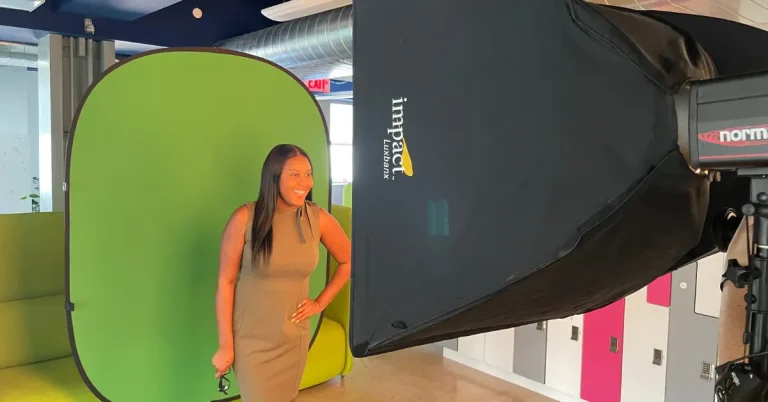
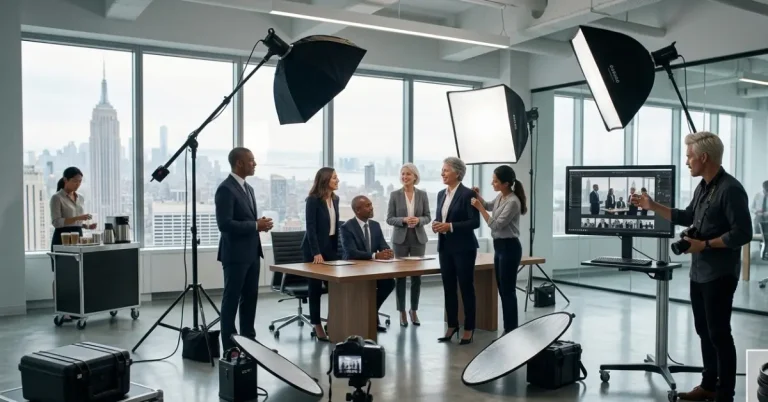
I bring a professional studio setup directly to your office, conference room, coworking space, or corporate headquarters.
Employees stay productive.
Leadership teams receive dedicated attention.
Your organization receives a consistent visual identity across every platform where your people appear.
Built for Busy Corporate Teams
Every company operates differently.
A law firm has different needs than a credit union.
A consulting firm has different priorities than a university.
The process needs to fit the organization, not the other way around.
That’s why each on-site session is designed around your workflow.
Services include:
- Executive headshots
- Employee headshots
- Leadership team portraits
- Corporate branding photography
- Environmental office portraits
- Team photography
- LinkedIn profile photos
- Company website photography
Whether you’re photographing 10 employees or 100, the goal remains the same.
Create polished, professional images without disrupting the workday.
Trusted by Financial, Legal, Educational, and Professional Organizations
Over the years, I’ve photographed executives, attorneys, consultants, educators, and financial professionals throughout New York City.
That includes projects ranging from individual executive portraits to large-scale team headshot days.
I’ve photographed:
- Credit unions
- Financial institutions
- Consulting firms
- Cybersecurity companies
- Universities
- Professional service organizations
Each industry brings different expectations.
The image a managing partner needs is different from the image a technology executive needs.
The image a financial advisor needs is different from the image a university administrator needs.
Understanding those differences matters.
Because a strong corporate headshot is not about looking good.
It’s about looking right for the audience you’re trying to reach.
Why Companies Hire a Professional Instead of Taking Headshots In-House
Most organizations have considered doing it themselves.
Someone owns a decent camera.
A conference room has good natural light.
An employee volunteers to help.
The plan sounds reasonable until the images start coming in.
Lighting varies.
Expressions vary.
Backgrounds vary.
Some employees look polished.
Others look like they were photographed at a completely different company.
Consistency disappears.
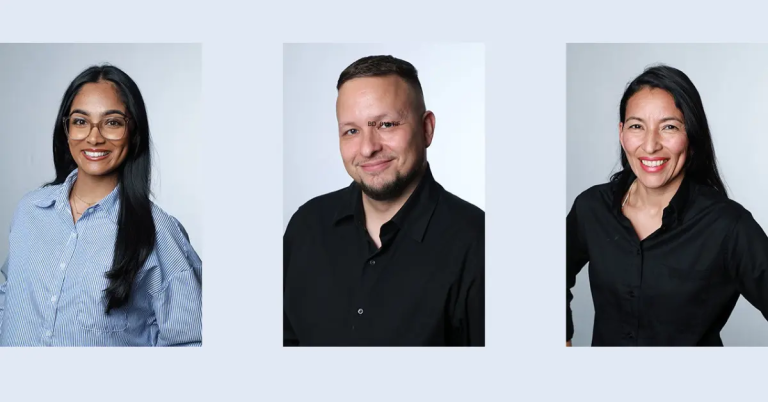
Professional corporate headshots create a unified visual standard across the organization.
The result is a stronger brand, greater credibility, and a more professional appearance wherever your team is seen.
More Than Photography
Before becoming a professional photographer, I spent eight years as a Talent Manager at Click Models NY.
That experience changed how I look at portraits.
I learned how quickly people form impressions.
I learned why some faces project authority while others appear distant.
I learned that small adjustments in posture, expression, and eye contact can completely change how someone is perceived.
Most professionals are not comfortable in front of a camera.
That’s normal.
My job isn’t simply operating lights and cameras.
It’s helping people look like the confident, experienced professionals they already are.
If Your Team’s Photos No Longer Match the Company You’ve Built
Your people are often the first thing clients, prospects, recruits, and investors see.
The question is simple.
Do your current photos reflect the level of professionalism your organization has achieved?
If not, it’s probably time for an update.
Schedule a consultation to discuss your team, your goals, and the best approach for creating professional corporate headshots at your NYC office.
Why Corporate Headshots Matter More Than Ever
Most companies spend time refining their website.
They invest in branding.
They update marketing materials.
They improve client communications.
Then visitors land on the team page and see employee photos taken years apart, in different lighting, with completely different styles.
The disconnect is immediate.
People notice it.
Maybe not consciously.
But they notice it.
A professional headshot does more than identify who someone is.
It helps shape how they are perceived.
In a business environment where trust is often established online before a meeting ever happens, that matters.
Your Team Represents Your Brand Before They Speak
Before a prospect schedules a call.
Before an investor reviews a proposal.
Before a candidate submits an application.
People are looking at your team.
They’re forming opinions based on what they see.
This happens across multiple platforms every day.
LinkedIn Profiles
For many professionals, LinkedIn is the first point of contact.
Potential clients, referral partners, recruiters and prospects often visit a profile before reaching out.
An outdated photo can create questions you don’t want people asking.
Does this person still work here?
Are they active in their industry?
Is this profile current?
A strong LinkedIn headshot removes that uncertainty.
Company Websites
Your website is often your company’s digital front door.
When visitors view your leadership team, attorneys, advisors, consultants, or executives, they expect consistency.
Professional corporate headshots create a unified appearance that reinforces trust and credibility.
When every image feels different, the company can appear disorganized even when it isn’t.
Investor Presentations
Investors evaluate more than financial performance.
They evaluate leadership.
They evaluate confidence.
They evaluate professionalism.
A polished executive portrait helps support the perception of a capable and trustworthy leadership team.
Speaking Engagements
Conference organizers, event planners, and industry publications frequently request headshots.
The image attached to a speaker announcement often receives more attention than the speaker bio.
A professional portrait helps establish credibility before the presentation begins.
Media Appearances
Journalists, podcast hosts, and media outlets often need headshots on short notice.
When opportunities arise, having professional images ready allows your team to respond quickly and present a polished public image.
Recruiting Efforts
Top candidates research companies before applying.
They review leadership teams.
They browse employee profiles.
They evaluate company culture.
Professional team photos signal that an organization takes its people and its brand seriously.
That may seem like a small detail.
It rarely feels small to a candidate deciding between competing employers.
The Hidden Cost of Outdated Headshots
Most companies don’t update headshots because they’re too busy.
That’s understandable.
The problem is that outdated photos continue working against the company long after they stop reflecting reality.
The cost isn’t always obvious.
But it shows up in ways many organizations overlook.
Lost Credibility
Imagine meeting a financial advisor, attorney, or executive for the first time.
You recognize them from their online photo.
Except they no longer resemble the image you saw.
The experience feels slightly off.
Trust doesn’t disappear.
But a small amount of credibility often does.
Professional portraits should accurately represent who someone is today.
Not who they were five or ten years ago.
Inconsistent Company Branding
Many organizations collect headshots over time.
Some employees hire photographers.
Others submit cropped vacation photos.
A few use images taken at conferences.
The result is a patchwork of styles, backgrounds, lighting conditions, and image quality.
When viewed together, the company lacks visual consistency.
Professional corporate headshots create a cohesive look across the organization.
Poor First Impressions
People make assumptions quickly.
That’s human nature.
A blurry image.
A poorly lit photo.
An outdated portrait.
All of these create unnecessary friction during the first impression stage.
Most businesses work hard to remove obstacles from the customer journey.
Professional headshots help remove one more.
Recruiting Challenges
Candidates pay attention to details.
They notice when leadership profiles look outdated.
They notice when employee photos feel inconsistent.
They notice when there are no professional photos at all.
A company’s visual presentation often influences how candidates perceive its culture, professionalism, and growth.
Reduced Trust Online
Trust is one of the most valuable business assets.
Professional headshots contribute to that trust.
They help prospects connect faces to names.
They help clients feel familiar with the people behind the company.
They help organizations appear established, professional, and credible.
In industries like finance, law, consulting, higher education, and professional services, those signals matter.
Sometimes more than companies realize.
The Question Worth Asking
When someone visits your website, LinkedIn page, or leadership team profile today, do the images reflect the level of professionalism your organization has achieved?
If the answer is no, updating your corporate headshots may have a bigger impact than you think.
What We’ve Learned Photographing NYC Professionals Over 20 Years
After two decades photographing executives, attorneys, financial professionals, consultants, university leaders, and corporate teams across New York City, one thing has become clear.
A strong corporate headshot has very little to do with being photogenic.
Most successful professionals are not models.
They’re bankers, attorneys, CEOs, consultants, professors, and business owners.
Their goal is not to look glamorous.
Their goal is to look credible.
Over the years, certain patterns show up again and again.
Some help people make a strong first impression.
Others quietly work against them.
Common Mistakes Professionals Make
The biggest mistake is assuming a corporate headshot is simply documentation.
Stand in front of a camera.
Smile.
Take the photo.
Move on.
That’s how generic headshots happen.
A strong professional portrait requires intention.
Some of the most common mistakes include:
- Using an outdated headshot
- Choosing an expression that feels forced
- Dressing for personal taste instead of audience expectations
- Focusing on looking younger rather than looking credible
- Trying too hard to appear serious
Many professionals are surprised by the last one.
Looking serious and looking confident are not the same thing.
In fact, they often produce very different reactions from viewers.
What Makes Someone Look More Credible
People often assume credibility comes from expensive suits, luxury watches, or formal poses.
That’s rarely the deciding factor.
Credibility is usually communicated through smaller details.
Eye contact.
Posture.
Expression.
Body language.
The most effective executive headshots often create a balance between confidence and accessibility.
The person appears capable.
Experienced.
Trustworthy.
Someone you would feel comfortable hiring, partnering with, or meeting.
That’s especially important for professionals in finance, law, consulting, healthcare, and leadership roles.
People don’t simply want expertise.
They want confidence they can trust.
The Difference Between Confidence and Intimidation
This is one of the most important distinctions in corporate photography.
Many professionals want to project authority.
That’s reasonable.
The problem is that authority can easily drift into intimidation.
A hard expression.
A forced stare.
Crossed arms.
An overly aggressive posture.
These choices often make someone look less approachable.
Not more credible.
Strong executive portraits communicate leadership without creating distance.
The best headshots say:
“I know what I’m doing.”
Not:
“I’m trying to prove I know what I’m doing.”
There’s a difference.
Viewers notice it immediately.
Why Most Corporate Headshots Feel Generic
Most corporate headshots fail for a simple reason.
They were created without considering the person behind the image.
The lighting may be perfect.
The camera may be expensive.
The retouching may be flawless.
Yet the final image feels forgettable.
Why?
Because it could belong to anyone.
Generic headshots happen when photographers rely on the same pose, the same expression, and the same formula for every person.
Real professionals are not interchangeable.
A managing partner at a law firm should not look identical to a technology founder.
A financial advisor should not be photographed exactly like a university administrator.
Different industries have different expectations.
Different roles require different visual signals.
The strongest headshots reflect those differences.
What Executives Worry About Before a Session
Most executives have concerns before being photographed.
They just don’t always say them out loud.
Some worry they won’t look natural.
Others worry they’ll appear uncomfortable.
Many haven’t been professionally photographed in years.
Common concerns include:
- I hate having my picture taken.
- I’m not photogenic.
- I don’t know how to pose.
- I never like photos of myself.
- I don’t have time for this.
The good news is that these concerns are normal.
In fact, they’re so common that hearing them before a session is almost expected.
Most executives don’t need photography experience.
They need guidance.
That’s where coaching, direction, and experience make a difference.
What Employees Actually Need From a Headshot
Many companies focus heavily on executive portraits.
That’s important.
But employees matter too.
A professional team photo does not need to make someone look like a model.
It needs to make them look professional, approachable, and confident.
For most employees, success comes down to three things:
- Looking like themselves
- Feeling comfortable during the session
- Receiving a photo they’re proud to use
When employees feel rushed, awkward, or self-conscious, it often shows in the final image.
When the process is simple and supportive, the results improve dramatically.
That’s why an effective corporate headshot session isn’t just about lighting setups and camera equipment.
It’s about creating an environment where people can relax long enough for their personality and professionalism to come through.
Because at the end of the day, clients aren’t hiring a headshot.
They’re hiring the person in the photograph.
The image simply helps them make that decision with confidence.
A Different Perspective: 8 Years Inside the Modeling Industry
Most corporate photographers come from photography backgrounds.
My path was different.
Before I photographed executives, attorneys, financial professionals, and corporate teams, I spent eight years as a Talent Manager at Click Models NY.
My job wasn’t taking pictures.
My job was evaluating them.
Every day, I worked with photographers, casting directors, agents, art directors, and talent.
I saw thousands of images.
Some worked.
Many didn’t.
That experience taught me something I still use today.
People form opinions from photographs far faster than most realize.
The camera records what someone looks like.
The image influences what people believe about them.
For corporate headshots, that’s an important distinction.
Before Photography, I Managed Talent at Click Models NY
Working in the modeling industry gave me a front-row seat to how images are evaluated in the real world.
Not by photographers.
By decision-makers.
Casting directors.
Creative directors.
Clients.
People making hiring decisions.
People deciding who gets the opportunity and who doesn’t.
The conversations were rarely about camera settings.
They were about perception.
Does this person appear confident?
Approachable?
Trustworthy?
Experienced?
Professional?
Those same questions apply to executive headshots today.
The audience is different.
The psychology isn’t.
How Images Shape First Impressions
Most professionals believe people evaluate them based on their experience.
Eventually, that’s true.
The challenge is that experience isn’t visible during the first few seconds.
Images fill that gap.
A potential client visits your website.
A recruiter views your LinkedIn profile.
An investor reviews a leadership page.
A conference organizer receives your speaker bio.
Before they learn anything about your accomplishments, they see your photograph.
The image becomes the introduction.
A strong corporate headshot helps reinforce credibility.
A weak one creates unnecessary questions.
Neither outcome is accidental.
What Casting Directors Notice Immediately
One of the biggest lessons I learned in the modeling industry was how quickly experienced professionals evaluate an image.
They don’t spend ten minutes analyzing a photograph.
They make decisions fast.
Often within seconds.
They notice:
- Expression
- Eye contact
- Energy
- Confidence
- Authenticity
What surprises many people is what they don’t notice.
They don’t care about expensive cameras.
They don’t care about technical photography terminology.
They care about the impression the image creates.
Corporate buyers think the same way.
Your clients aren’t evaluating your lens choice.
They’re evaluating whether they trust the person in the photograph.
Why Expression Matters More Than Equipment
Photographers often love talking about equipment.
Clients rarely do.
Most people have never hired a photographer because of a camera model.
They hire photographers because of results.
Expression plays a bigger role in those results than many realize.
A slightly tense expression can make someone appear uncomfortable.
A forced smile can feel inauthentic.
An overly serious expression can create distance.
Small adjustments often produce dramatic improvements.
The strongest corporate headshots usually look effortless.
That’s not luck.
That’s direction.
The goal is to create an image that feels natural while still communicating professionalism and authority.
How Small Changes Affect Perceived Authority
Authority is often misunderstood.
Many professionals believe authority comes from looking serious.
Sometimes the opposite is true.
Small changes can significantly affect how someone is perceived.
A slight adjustment in posture.
A different camera angle.
A softer expression.
Better eye engagement.
A more relaxed stance.
These changes may seem minor during a session.
They rarely look minor in the final image.
I’ve seen executives look more approachable without losing authority.
I’ve seen attorneys appear more confident without looking intimidating.
I’ve seen financial professionals project trust more effectively through subtle changes than through expensive wardrobes or dramatic retouching.
The details matter.
They influence how viewers interpret the image.
What Corporate Photographers Often Miss
Many corporate photographers focus heavily on technical execution.
Lighting.
Equipment.
Backgrounds.
Retouching.
Those elements matter.
But they’re only part of the equation.
The bigger challenge is helping people communicate the right message.
A successful executive portrait isn’t simply a well-lit photograph.
It’s a business tool.
It should support recruiting.
Strengthen personal branding.
Build trust.
Support leadership positioning.
Create a positive first impression.
That’s where many corporate headshots fall short.
The technical quality is excellent.
The communication is weak.
The image looks professional.
It just doesn’t say much.
My background in the modeling industry taught me to pay attention to both.
The technical side.
And the human side.
Because the most effective corporate headshots don’t simply show people what you look like.
They help people feel more confident about working with you.
The Psychology of an Effective Corporate Headshot
A corporate headshot is not just a photo.
It’s a judgment shortcut.
People see it and immediately decide a few things about you before they ever speak to you.
Can I trust this person?
Do they seem capable?
Would I take a meeting with them?
That decision happens fast.
Most of the time, it happens without awareness.
Trust
Trust is the first filter.
If the image feels off, everything else gets questioned.
Not because people are critical by nature, but because they are careful with risk.
Especially in industries like finance, law, and consulting.
Trust in a headshot usually comes from consistency.
Clean expression.
Natural eye contact.
No forced styling.
Nothing exaggerated.
When something feels overly staged, trust drops.
People may not say it out loud, but they feel it.
Competence
Competence is not about looking “smart.”
It’s about looking stable, prepared, and in control.
A competent-looking headshot usually avoids extremes.
Not too relaxed.
Not too rigid.
Just composed.
In financial services, this matters even more.
Clients want to feel like their money, their case, or their decision is in capable hands.
The headshot becomes part of that signal.
Leadership
Leadership is subtle.
It’s not about intensity or strong facial expressions.
It’s about presence.
A person who looks like they take responsibility seriously.
Not someone trying to dominate the frame.
There is a difference between looking like a leader and looking like you are performing leadership.
The first builds confidence.
The second creates hesitation.
Approachability
Approachability often gets overlooked.
Many professionals lean too far into seriousness.
Especially in law and finance.
The result is a portrait that feels closed off.
Approachability is what makes people feel comfortable reaching out.
It can be a slight softness in expression.
A relaxed jaw.
A more open posture.
Nothing dramatic.
Just enough to signal you are professional, but still human.
Confidence
Confidence is the balance point.
Too little, and you look uncertain.
Too much, and you look forced.
Real confidence in a headshot is quiet.
It doesn’t push.
It doesn’t perform.
It simply holds presence without tension.
That’s usually what people respond to most.
Not perfection.
Not intensity.
Stability.
Why Financial Professionals Need a Different Look Than Startup Founders
Financial professionals operate in a trust-heavy environment.
Banks.
Credit unions.
Wealth management.
Investment advisory.
The expectation is stability.
Long-term thinking.
Risk awareness.
Their headshots should reflect that.
Controlled expression.
Clean presentation.
Minimal distraction.
Startup founders live in a different visual world.
Speed matters more.
Energy matters more.
Openness and ambition often take priority over restraint.
A startup headshot can feel more relaxed, more expressive, sometimes even imperfect on purpose.
If you swap those styles, both lose effectiveness.
A founder looking overly rigid can feel disconnected.
A financial advisor looking overly casual can feel unreliable.
Context changes everything.
Why Attorneys Need a Different Look Than Sales Teams
Attorneys operate in a credibility-first environment.
Clients are often dealing with high-stakes situations.
They want reassurance before they ever speak to a lawyer.
That means attorney headshots need to communicate precision and seriousness without creating emotional distance.
Clean expression.
Composed posture.
Controlled confidence.
Sales teams are different.
Their job is interaction.
Energy matters.
Warmth matters.
They need to feel accessible.
If a sales professional looks too formal, it can create friction before the first conversation even happens.
One role reduces risk.
The other builds connection.
The photography should reflect that difference.
How Industry Expectations Influence Photography
Most people assume a good headshot is universal.
It isn’t.
A strong corporate portrait always exists in context.
Industry expectations shape what “professional” actually means.
In finance, professionalism often looks restrained.
In technology, it can be more relaxed.
In law, it tends to be formal but not intimidating.
In education, it leans toward approachable authority.
In consulting, it often sits somewhere between leadership and accessibility.
The photographer’s job is not to force a style.
It’s to understand the environment the image will live in.
Because a headshot doesn’t exist in isolation.
It appears on websites, LinkedIn profiles, press releases, investor decks, and recruitment pages.
Each of those environments carries expectations.
The strongest images align with those expectations without feeling artificial.
That balance is what makes a headshot work in real-world business settings.
Corporate Clients & Experience
Corporate photography is not about taking isolated portraits.
It’s about managing consistency across teams, departments, and sometimes entire organizations.
Different industries bring different expectations.
Different team sizes require different workflows.
Over time, that experience matters more than any single image.
Below are examples of organizations I’ve worked with and the scale of those projects.
Municipal Credit Union
95 employees photographed
Large-scale corporate headshot project for a financial institution with multiple departments and fast-moving operations.
The challenge was not photography.
It was coordination.
Employees had limited time away from work.
The schedule had to stay tight.
The output needed to remain consistent across every role, from frontline staff to leadership.
Projects like this require a structured workflow that keeps people moving without compromising image quality.
BTS Consultants
70 professionals photographed plus corporate events
A mixed engagement that included both headshots and event coverage.
Consulting teams tend to operate in high-demand environments, which means scheduling flexibility becomes essential.
The goal was to maintain a consistent visual identity across professionals while also capturing the broader company presence during events.
Headshots and event photography serve different purposes, but they support the same message.
Credibility and visibility in a professional services environment.
Pratt Institute
Professional portraits and facility photography
Work with educational institutions requires a different approach.
It’s not just about individuals.
It’s about environment.
Faculty, staff, and institutional identity all need to feel aligned.
Portraits needed to feel approachable and credible.
Facility imagery needed to reflect the institution accurately without over-staging reality.
Educational photography often sits between professionalism and accessibility.
That balance is intentional.
Deep Instinct Cybersecurity
Executive and staff headshots
Cybersecurity companies operate in a trust-sensitive space.
Clients want to know they are working with people who are capable, stable, and detail-oriented.
The challenge is to maintain a modern, technology-forward look without losing human presence.
Executive portraits required stronger presence.
Staff headshots needed consistency and approachability.
Different roles, different visual priorities, same brand identity.
Additional Corporate & Professional Clients
Beyond large named organizations, most of the work comes from ongoing corporate relationships across New York City.
Financial services firms
Law firms
Consulting companies
Healthcare organizations
Technology startups and enterprise teams
Each group brings different expectations, but the core requirement stays the same.
Clear, consistent, professional imagery that works across digital platforms.
These projects often involve:
- On-site corporate headshot sessions
- Executive portrait updates
- Company-wide rebranding photography
- LinkedIn profile standardization
- Leadership team imagery
The goal is not just to photograph individuals.
It is to create a unified visual standard that reflects how the company wants to be seen.
Because in most industries, perception is not a secondary concern.
It is part of the business itself.
What an On-Site Corporate Headshot Day Looks Like
Most companies assume a headshot day is just “show up and take photos.”
That assumption usually leads to scheduling problems, rushed employees, and inconsistent results.
A well-run on-site corporate headshot session is structured long before the camera comes out.
The goal is simple.
Keep the day efficient for the company.
Keep the experience smooth for employees.
Keep the results consistent across the entire organization.
Step 1: Planning & Scheduling
Everything starts before the shoot day.
This is where most of the success is decided.
Team Size Assessment
Not every company needs the same setup.
A 15-person office is very different from a 150-person organization.
We review:
- Total number of employees
- Departments involved
- Remote vs in-office staff
- Priority groups such as executives or leadership
This determines timing, pacing, and setup requirements.
Executive Requirements
Executives are handled differently from general staff.
Not because they are more important in a marketing sense.
But because their images carry more visibility.
We plan:
- Extra time per executive
- Private or controlled setup space
- Additional lighting adjustments if needed
- Specific branding or style expectations
Internal Communication Planning
Most delays on shoot day come from confusion, not photography.
Clear internal communication prevents that.
We help companies structure:
- Employee time slots
- Email or Slack announcements
- Simple preparation instructions
- Arrival expectations
The smoother the communication, the smoother the day.
Step 2: Mobile Studio Setup
The studio is built inside your workspace.
No need for employees to travel anywhere.
The setup is adapted based on available space.
Conference Rooms
The most common setup location.
Controlled lighting.
Enough space for privacy and flow.
Offices
Used when conference rooms are not available or when flexibility is needed.
Works well for smaller teams or staggered sessions.
Lobbies
Useful for larger buildings or corporate headquarters.
Requires careful control of lighting and background separation.
Flexible Workspaces
Modern offices often have open layouts.
We adapt the setup to fit the environment without disrupting daily operations.
The goal is always the same.
Studio-quality results inside a real working office.
Step 3: Employee Fast-Flow Headshots
This is where efficiency matters most.
Employees should not feel like the day is slowing down their work.
Efficient Workflow
Each person is guided quickly through the process.
No guessing.
No confusion.
Clear direction from start to finish.
Most employees are photographed in just a few minutes.
Consistent Results
Consistency is more important than variation.
Every employee should feel like they belong to the same company visually.
That means controlled lighting, posing direction, and expression coaching.
Minimal Workflow Disruption
People return to work immediately after their session.
No long downtime.
No unnecessary waiting.
The system is designed to keep business running while photography happens in parallel.
Step 4: Executive & Leadership Sessions
Executives require a different level of attention.
Not because the process changes dramatically.
But because expectations do.
Expression Coaching
Most executives are not comfortable being photographed.
That is normal.
Direction focuses on:
- Relaxing facial tension
- Natural expression control
- Adjusting intensity without forcing emotion
Pose Direction
Small adjustments make a large difference.
Angle of shoulders.
Head positioning.
Eye line.
Nothing exaggerated.
Just enough to create presence.
Wardrobe Guidance
Most executives don’t need a wardrobe overhaul.
They need small corrections.
- Jacket alignment
- Collar positioning
- Simple styling adjustments
Executive Presence Coaching
This is where experience matters most.
It’s not about posing someone.
It’s about helping them appear how they already operate in real life.
Confident.
Decisive.
Controlled.
Step 5: Professional Retouching
Retouching should never feel heavy-handed.
The goal is clarity, not alteration.
Employee Retouching
Light corrections only.
- Skin tone balance
- Minor distractions removed
- Natural look preserved
Executive Retouching
More refined adjustments when needed.
- Clean presentation
- Subtle enhancement
- Consistent branding across leadership team
Premium Leadership Retouching
For public-facing executives.
- Higher attention to detail
- Controlled polish without over-editing
- Consistency across press and media use
The goal is simple.
The person should still look like themselves.
Just on their best professional day.
Step 6: Image Delivery
Delivery is often overlooked, but it matters.
A smooth process here makes internal rollout easier.
Standard Turnaround
Most images are delivered within a defined timeframe based on project size.
Speed matters, but consistency matters more.
File Formats
Images are delivered in formats suitable for:
- LinkedIn profiles
- Company websites
- Press kits
- Internal directories
- Recruiting platforms
Internal Distribution
Large companies often struggle at this stage.
We help structure delivery so HR and marketing teams can:
- Share images efficiently
- Maintain naming consistency
- Deploy headshots across systems without confusion
The final step is not just delivery.
It’s making sure the images actually get used properly across the organization.
Corporate Headshots for Financial Firms
Financial services is one of the most trust-sensitive industries in New York City.
Clients are not just buying a product or service.
They are trusting people with money, planning, and long-term financial decisions.
That changes how headshots need to work.
The image has to feel stable.
Reliable.
Composed.
Not flashy.
Not experimental.
Just credible.
Credit Unions
Credit unions operate on familiarity and trust.
Members often want to feel they are working with people who are part of their community.
Headshots for credit unions should reflect that balance.
Professional, but not distant.
Clean, but approachable.
Employees should look like people you can speak to without hesitation.
Not corporate distance.
Human confidence.
Banks
Banks operate at a higher visibility level.
Everything is scrutinized more closely.
From customer service staff to leadership teams.
Consistency matters here more than almost anywhere else.
A strong banking headshot style is:
- Controlled expression
- Neutral, confident posture
- Clean background and lighting
- Unified look across departments
The goal is not personality.
The goal is trust at scale.
Investment Firms
Investment professionals deal directly with risk perception.
Clients are not just evaluating skill.
They are evaluating judgment.
A strong investment firm headshot should communicate calm decision-making.
Not urgency.
Not intensity.
Stability.
Many firms underestimate how much visual tone influences perceived risk.
A rushed or overly aggressive expression can unintentionally raise concerns.
Wealth Management Teams
Wealth management is personal.
Clients are often forming long-term advisory relationships.
That means the headshot has to feel both professional and human.
Not cold.
Not overly casual.
The best results usually sit in the middle.
- Confident eye contact
- Relaxed facial expression
- Polished but not rigid appearance
Clients want to feel like they are speaking to someone steady.
Not someone performing confidence.
Accounting Firms
Accounting is detail-driven work.
Accuracy matters.
Consistency matters.
A strong accounting firm headshot should feel organized and dependable.
Nothing overly stylized.
Nothing distracting.
Just clarity.
Clients should immediately feel a sense of order and reliability.
What Builds Trust in Financial Services Photography
Trust is not created through dramatic styling or creative lighting.
In financial services, trust comes from restraint.
The most effective headshots usually share a few traits:
- Natural expression without exaggeration
- Clean, distraction-free composition
- Subtle confidence rather than performance
- Consistency across the entire team
When everything feels aligned, the company feels more established.
Even if the viewer has never interacted with the firm before.
That first impression carries weight.
Especially in finance.
Common Financial Industry Headshot Mistakes
Many financial firms unintentionally weaken their visual credibility.
Not because of poor photography.
But because of inconsistency and outdated standards.
Outdated Employee Photos
This is the most common issue.
People change.
Roles change.
But images often stay the same for years.
That creates a disconnect between reality and perception.
Overly Serious Expressions
Some firms overcorrect toward seriousness.
The result is images that feel rigid or unapproachable.
Trust does not require intensity.
It requires clarity.
Mixed Styles Across Teams
When employees use different photographers over time, the result is visual fragmentation.
Different lighting.
Different editing styles.
Different framing.
It weakens the sense of a unified organization.
Over-Retouching
Too much editing creates distance.
Clients want to recognize the person they are meeting.
Not a polished version that feels artificial.
Casual or Inconsistent Dress Standards
Financial services has a clear expectation of professionalism.
When attire varies too widely, it can affect perceived consistency across the firm.
The Real Standard in Financial Headshots
The best financial headshots are not the most creative.
They are the most consistent.
They reinforce one message.
This is a stable, professional, and trustworthy organization.
Everything else is secondary.
Corporate Headshots for Law Firms
Law firms operate in a credibility-first environment.
Clients are often dealing with high-stakes decisions.
Legal disputes.
Business contracts.
Personal matters.
They are not choosing a service casually.
They are choosing someone to represent them in situations where the outcome matters.
That context changes everything about how a headshot should feel.
Partners
Partners carry the reputation of the firm.
Their image often appears on:
- Firm websites
- Press features
- Speaking events
- Client proposals
- Legal publications
A partner headshot needs to communicate authority without aggression.
Too soft, and it can feel uncertain.
Too intense, and it can feel unapproachable.
The balance is controlled confidence.
A steady presence that signals experience and judgment.
Associates
Associates are often the first direct contact clients may research online.
Their headshots should feel capable and professional without trying to look overly senior.
A common mistake is pushing associate portraits too hard toward authority.
That can feel forced.
Clients are not expecting a managing partner.
They are expecting competence, clarity, and reliability.
The image should match that role honestly.
Practice Groups
Practice groups require consistency.
This is where many law firms lose visual alignment.
Different attorneys photographed at different times.
Different styles.
Different tones.
When viewed together, the group can feel fragmented.
A strong practice group look creates:
- Visual consistency across attorneys
- A unified firm identity
- Clear alignment across specialties
Whether it is corporate law, litigation, intellectual property, or real estate, the visual language should feel connected.
Firm Leadership
Leadership teams carry the external face of the firm.
These images often appear in media, conferences, and recruitment materials.
They need to feel composed and steady.
Not overly stylized.
Not overly casual.
Leadership headshots should communicate:
- Judgment
- Stability
- Experience
- Responsibility
Nothing exaggerated.
Nothing theatrical.
Just presence.
What Clients Expect from Attorney Portraits
Clients do not evaluate legal expertise through a photograph.
They evaluate comfort.
They ask themselves a simple question.
Would I trust this person with my case?
That decision is influenced by subtle cues.
Not dramatic expressions.
Not creative photography.
Instead:
- Clean, professional appearance
- Calm and steady expression
- Direct but not intimidating eye contact
- A sense of control without tension
Clients want reassurance before the first conversation even happens.
Building Confidence Without Looking Unapproachable
This is one of the most common challenges in legal photography.
Many attorneys default to seriousness.
It feels safe.
It feels professional.
But it often creates distance.
Confidence in a legal headshot should feel grounded.
Not sharp.
Not aggressive.
Not overly rigid.
Small adjustments make a difference:
- Relaxed jaw instead of tight expression
- Slight softness in the eyes without losing focus
- Upright posture without stiffness
- Natural expression instead of forced seriousness
The goal is not to look friendly.
The goal is to look trustworthy and capable.
Clients should feel like they can walk into a conversation with confidence, not hesitation.
That balance is what separates a standard attorney photo from a strong legal presence image.
Corporate Headshots for Consulting Firms
Consulting firms live in a credibility and communication-driven environment.
Clients are buying judgment.
Not just services.
Not just frameworks.
They are hiring people to walk into complex situations and make them simpler.
That expectation shows up clearly in how consultants should be photographed.
Client-Facing Professionals
Client-facing consultants operate in high-trust conversations.
Often with executives.
Often under pressure.
Their headshots need to reflect clarity and composure.
Not personality overload.
Not overly creative styling.
The strongest consultant portraits usually communicate:
- Calm presence
- Analytical confidence
- Approachability without informality
- Professional restraint
Clients should feel like they are speaking to someone who can handle complexity without tension.
Recruiting & Employer Branding
Consulting firms compete heavily for talent.
Top candidates evaluate firms long before an interview.
They look at leadership pages.
They review team structure.
They scan LinkedIn profiles.
Corporate headshots become part of that decision process.
A consistent visual identity signals:
- Organizational stability
- Professional culture
- Internal alignment
- Attention to detail
Inconsistent or outdated photos can quietly weaken that perception.
Even if the firm itself is high-performing.
Leadership Teams
Leadership in consulting is about direction and trust.
These portraits often appear in proposals, pitch decks, and media coverage.
They need to feel steady and intentional.
Not staged.
Not overly expressive.
A strong leadership headshot communicates:
- Control under pressure
- Experience in decision-making
- Clear professional presence
The viewer should feel confidence before reading any credentials.
Corporate Headshots for Technology & Cybersecurity Companies
Technology and cybersecurity firms operate in a different visual world.
Speed, innovation, and technical depth often dominate the message.
But there is a challenge.
Technical expertise alone does not create trust in a photograph.
Human presence still matters.
Modern Executive Branding
Tech executives often need to balance two signals.
Innovation and credibility.
Forward-thinking and reliability.
The mistake many companies make is leaning too far into one direction.
Overly polished executive images can feel disconnected from the product.
Overly casual images can reduce perceived leadership strength.
A modern tech executive headshot should feel:
- Clean but not sterile
- Confident but not rigid
- Professional but not corporate-stiff
It should match how the company actually operates, not just how it markets itself.
Humanizing Technical Expertise
Cybersecurity teams face a unique challenge.
Their work is often invisible to clients.
That increases the importance of trust signals.
People are not evaluating what they can see.
They are evaluating what they cannot see.
A strong cybersecurity headshot helps bridge that gap.
It shows the human side of technical expertise.
The goal is not to simplify the work.
The goal is to make the people behind the work more relatable.
Small things matter:
- Natural expression instead of technical intensity
- Calm eye contact instead of tension
- Clean presentation without over-styling
It creates reassurance without lowering professionalism.
Startup vs Enterprise Visual Branding
Startups and enterprise companies often need different visual approaches.
The mistake is applying one style across both.
Startups tend to benefit from:
- More relaxed expressions
- Higher energy presence
- Slightly less formal styling
- A sense of momentum
Enterprise organizations require:
- Consistency across large teams
- Controlled visual tone
- Stable and uniform presentation
- Reduced variation in style
When these approaches are mixed incorrectly, the brand feels confused.
A startup that looks overly rigid can feel disconnected from its energy.
An enterprise team that looks too casual can feel unstructured.
The headshot style should reflect company maturity, not just personal preference.
That alignment is what makes the visual identity feel intentional rather than accidental.
Preparing Employees for Headshot Day
A successful corporate headshot day is not only about lighting and cameras.
It depends heavily on preparation.
When employees know what to expect, everything runs smoother.
When they don’t, even a well-planned session can feel chaotic.
Most issues on shoot day are preventable.
They come down to communication, clarity, and simple guidance.
What to Wear
Clothing is one of the most common sources of uncertainty.
Many employees either overthink it or underprepare.
The goal is not fashion.
It is consistency and professionalism.
Good guidelines usually include:
- Solid colors instead of busy patterns
- Neutral tones that fit the company brand
- Well-fitted clothing that feels natural
- Avoiding overly reflective fabrics or distracting accessories
Most industries benefit from subtle professionalism.
Finance, law, consulting, and corporate environments tend to favor more structured attire.
Tech and creative roles can allow slightly more flexibility, but clarity still matters.
The main question should be simple.
Does this look appropriate for how I want to be seen professionally?
Grooming Tips
Grooming does not need to be complicated.
It just needs to be intentional.
Small details show up more in headshots than people expect.
Common recommendations:
- Keep hair neat and consistent with daily professional appearance
- Avoid last-minute drastic changes before shoot day
- Light makeup that matches natural tone if applicable
- Clean facial hair or intentional styling for consistency
The goal is not perfection.
It is predictability.
People should look like themselves on a good workday, not a staged version of themselves.
Internal Scheduling Best Practices
Most delays on headshot day come from scheduling issues, not photography.
When timing is unclear, everything slows down.
A structured schedule prevents that.
Effective approaches include:
- Assigning time blocks by department
- Grouping employees by availability windows
- Prioritizing executives early or in controlled slots
- Keeping buffer time between sessions
It also helps to avoid sending everyone at once.
A staggered flow keeps the process moving and reduces waiting time.
Employees should feel like they are stepping into a system, not a crowd.
Preparing Remote Employees
Remote teams are now a standard part of most organizations.
But they often get overlooked during headshot planning.
There are two common approaches.
Either bring them in for a scheduled session.
Or coordinate a dedicated time window if multiple remote employees are in the same region.
The key is consistency.
Remote employees should not feel visually separate from in-office teams.
When possible, they should follow the same setup, lighting style, and background standards.
Without that, the company’s visual identity starts to fragment.
How to Reduce Employee Anxiety
Most people are not uncomfortable because they dislike photos.
They are uncomfortable because they do not know what to expect.
That uncertainty creates tension.
Simple communication solves most of it.
Common concerns include:
- “I don’t know how to pose”
- “I never like my photos”
- “What if I look awkward”
- “How long will this take”
These are normal.
They are also predictable.
Reducing anxiety usually comes down to three things:
Clear direction.
Employees should not guess what to do.
Fast process.
Nobody should feel stuck waiting or overthinking.
Simple feedback.
Small adjustments during the session make a big difference.
A calm environment produces better expressions.
Better expressions produce stronger headshots.
The process should feel structured, not stressful.
When employees feel guided instead of judged, the results improve immediately.
On-Site Corporate Headshots vs Studio Headshots
Most companies think the choice is about photography style.
It is not.
It is about workflow, consistency, and how much disruption the organization can tolerate.
Both options can produce strong images.
But they serve different operational needs.
Advantages of On-Site Sessions
On-site corporate headshots are built for efficiency at scale.
The studio comes to the company.
Not the other way around.
That changes everything.
Key advantages include:
- Employees stay on-site and productive
- No travel time or external scheduling conflicts
- Consistent lighting and setup across all staff
- Faster rollout for large teams
- Easier coordination for HR and operations teams
For most NYC companies, the biggest benefit is control.
The entire process happens inside a known environment.
No lost time.
No scattered scheduling.
No inconsistent results across different studios.
It becomes a structured company event instead of an individual task.
When Studio Sessions Make Sense
Studio sessions still have value.
They are not outdated.
They are just more specific in use.
A studio setup works best when:
- You need highly controlled creative portraits
- You are photographing a small number of individuals
- The company wants environmental or styled branding images
- There is no need for large-scale consistency
Studio sessions allow more experimentation.
Different backgrounds.
Different setups.
More creative direction per person.
But that flexibility comes with tradeoffs.
Time increases.
Coordination becomes harder.
Consistency across teams can become more difficult if multiple sessions are spread over time or locations.
Which Option Works Best for Large Teams
For companies with 20, 50, or 100+ employees, on-site sessions are usually the practical choice.
Not because studio photography is inferior.
But because logistics matter more at scale.
Large teams need:
- Predictable scheduling
- Fast employee turnover per session
- Consistent visual branding
- Minimal disruption to daily operations
Trying to move an entire organization through a studio introduces friction.
On-site eliminates that friction.
It turns headshots into a controlled internal workflow instead of an external project.
Professional Headshots vs AI Headshots
AI-generated headshots have entered the conversation.
Some companies are testing them for speed and cost.
But the difference is not just technical.
It is psychological.
Where AI Images Work
AI headshots can work in limited scenarios.
They are often used for:
- Temporary profile images
- Internal systems where accuracy is less critical
- Early-stage startups testing branding directions
- Fast placeholder visuals for digital platforms
They are quick.
They are consistent.
And they remove scheduling complexity.
For internal or low-stakes use, they can be functional.
Where They Fail
The problems appear when real trust is required.
AI images struggle with:
- Authentic human presence
- Subtle expression control
- Industry-specific credibility signals
- Real-world consistency across teams
- Media or press usage standards
In professional environments like finance, law, consulting, or healthcare, the gap becomes obvious quickly.
Clients notice when something feels artificial.
Even if they cannot explain why.
Why Trust Still Matters
Corporate headshots are not just visual assets.
They are trust signals.
People do not analyze them deeply.
They react to them instantly.
A real photograph carries subtle information that AI still struggles to replicate:
- Natural imperfection
- Real expression under direction
- Human presence in lighting and posture
- Consistency with real-world expectations
Trust is not built on perfection.
It is built on believability.
Why Real Executive Photography Remains Valuable
Even as AI tools improve, real photography still holds a clear position in business communication.
Especially at leadership level.
Executives are not just representing themselves.
They represent the organization.
That means their image appears in:
- Investor presentations
- Media coverage
- Conference materials
- Corporate websites
- Recruiting platforms
In those environments, credibility matters more than convenience.
A professionally guided session captures something AI cannot fully simulate.
Real presence under real conditions.
That difference still matters in 2026, especially in industries where perception directly affects trust and decision-making.
Case Study: Photographing 95 Employees for a NYC Credit Union
Large corporate headshot projects are not about photography alone.
They are about coordination, timing, and consistency under real business constraints.
This project with a NYC credit union is a good example of how on-site corporate headshots work when everything needs to run smoothly inside an active organization.
Project Goals
The goal was straightforward on paper.
Update headshots for 95 employees across multiple departments.
In reality, the requirements were more specific.
- Create a consistent visual standard across all staff
- Update outdated employee photos across internal and external platforms
- Maintain a professional look aligned with financial services expectations
- Minimize disruption to daily operations
- Deliver images suitable for LinkedIn, website, and internal systems
The organization did not just need new photos.
They needed visual alignment across the entire team.
Logistical Challenges
Large teams always introduce complexity.
This project was no different.
The main challenges included:
Employee availability across departments.
Limited time away from customer-facing roles.
Different levels of comfort in front of the camera.
Need for fast turnover without sacrificing consistency.
Space limitations inside the office environment.
The biggest risk in projects like this is not quality.
It is timing.
If scheduling breaks down, everything slows down.
Workflow Strategy
The approach was built around structure.
Not improvisation.
A clear system kept the day moving.
Staggered Scheduling
Employees were grouped in short time blocks.
This prevented congestion and reduced waiting time.
On-Site Mobile Setup
A controlled lighting setup was built inside a designated office space.
The goal was consistency across every portrait.
Regardless of department or role.
Fast-Flow Employee Sessions
Most employees were photographed within a few minutes.
Clear direction.
Simple adjustments.
No confusion about posing or timing.
Executive Priority Flow
Leadership and high-visibility roles were scheduled with additional time.
This allowed for more detailed expression control and positioning.
Continuous Workflow Monitoring
Small adjustments were made throughout the day to maintain flow.
Nothing dramatic.
Just operational awareness.
The goal was to keep the system stable from start to finish.
Results
The final outcome was not just a collection of headshots.
It was a unified visual system across the organization.
Key results included:
- Consistent lighting and framing across all 95 employees
- Updated professional images across internal and external platforms
- Reduced visual inconsistency across departments
- Efficient completion within a single coordinated schedule
- Smooth integration into HR and marketing workflows
One of the most important outcomes was internal alignment.
Employees now visually represented the same organization, not fragmented versions of it.
Lessons Learned
Large-scale corporate headshot projects always reveal patterns.
This one reinforced a few clear lessons.
Preparation Matters More Than Photography
When scheduling is clear, everything becomes easier.
When it is not, even strong photography struggles to recover the workflow.
Consistency Is More Valuable Than Variation
In corporate environments, especially financial institutions, consistency builds trust faster than creative variation.
Employee Experience Affects Image Quality
Comfort shows in expression.
Confusion shows in posture.
Clear direction improves results more than technical adjustments alone.
On-Site Is Operationally Superior for Large Teams
For organizations of this size, moving employees to a studio would have created unnecessary friction.
On-site execution kept productivity intact while maintaining visual control.
Final Takeaway
A 95-person headshot project is not about individual portraits.
It is about systems.
When the process is structured correctly, large organizations can update their entire visual identity without disrupting daily operations.
That is where on-site corporate headshots become less about photography and more about operational efficiency inside modern companies.
Beyond Headshots: Corporate Photography Services
Most companies think of photography as a one-time headshot project.
Update the team photos.
Fix outdated profiles.
Move on.
That approach misses something important.
Modern organizations communicate visually across multiple channels.
Headshots are only one part of that system.
Leadership Team Photography
Leadership photography is about positioning, not just portraits.
These images are used in high-visibility contexts:
- Company websites
- Investor decks
- Press releases
- Conference materials
- Annual reports
The goal is not to make leaders look polished.
It is to make them look steady.
A leadership image should communicate:
- Decision-making clarity
- Organizational stability
- Professional presence under pressure
Over-styling usually weakens that message.
Simple, controlled execution works better.
Environmental Portraits
Environmental portraits show people in context.
Not against a neutral background.
But inside their real working environment.
Office spaces.
Conference rooms.
Workstations.
The value here is context.
It helps viewers understand how a company actually operates.
These images are often used for:
- Recruitment pages
- Company culture content
- Website storytelling
- PR materials
The key is balance.
The environment should feel real.
Not staged.
Not overly cleaned up.
Just accurate.
Office Photography
Office photography is often overlooked, but it plays a major role in perception.
Clients and candidates do not just evaluate people.
They evaluate where those people work.
Office imagery communicates:
- Company scale
- Work culture
- Professional standards
- Internal organization
A well-photographed workspace can make a company feel more established.
Even before a conversation begins.
Common subjects include:
- Workspaces
- Meeting rooms
- Collaboration areas
- Reception areas
- Exterior building shots when relevant
The goal is clarity.
Not decoration.
Corporate Events
Corporate events are where company culture becomes visible.
Conferences.
Team gatherings.
Client events.
Internal meetings.
These moments are often used for marketing, recruiting, and public relations.
Event photography needs to be:
- Observational, not intrusive
- Consistent across time and lighting conditions
- Focused on real interaction, not staged moments
The best event coverage captures how the organization actually operates.
Not how it tries to look for a camera.
Employer Branding Imagery
Employer branding is where all of this comes together.
Headshots.
Leadership portraits.
Office imagery.
Event coverage.
It all contributes to how a company is perceived by potential employees.
Candidates look for signals.
They want to understand:
- What the culture feels like
- How people interact
- Whether the environment looks stable
- Whether leadership feels accessible
Strong employer branding photography answers those questions visually.
Without explanation.
Without marketing language.
Just through consistent, credible imagery across the organization.
The Bigger Picture
Corporate photography is not a collection of separate services.
It is a connected system.
When executed correctly, it supports:
- Recruiting
- Sales and marketing
- Investor relations
- Internal communication
- Public perception
Headshots are just the starting point.
The real value comes from building a visual identity that holds together across every place your company appears.
Frequently Asked Questions
These are the questions that come up most often before booking on-site corporate headshots in NYC.
Most are practical.
Some are operational.
All of them matter when you are planning a company-wide session.
How much do on-site corporate headshots cost in NYC?
There is no single flat answer.
Pricing depends on several factors:
- Number of employees
- Executive requirements
- Location complexity
- Turnaround needs
- Retouching level
Large teams are priced differently than small groups because the workflow changes completely.
A 10-person session is not the same operation as a 100-person rollout.
Most companies are not just paying for photos.
They are paying for speed, consistency, and controlled execution inside their workspace.
How many employees can you photograph in one day?
This depends on structure, not just time.
A well-organized on-site setup can handle:
- Small teams: 5 to 20 employees in a few hours
- Mid-size teams: 20 to 60 employees in a half day or full day
- Large teams: 60 to 120+ employees in a full day with scheduled flow
The key factor is not speed alone.
It is maintaining consistency while keeping the workflow moving.
When the system is structured correctly, large groups are not a problem.
When it is not, even small teams can slow down.
How long does setup take?
Setup is usually quick, but it depends on the space.
Most on-site studios are ready within a short window after arrival.
The process includes:
- Lighting setup
- Background positioning
- Camera calibration
- Space adjustment based on room layout
In most offices, this is done in under an hour.
The goal is to integrate into your space without disrupting the workday.
Do executives receive extra time?
Yes.
And they should.
Executive headshots require more control, not more complexity.
Extra time is used for:
- Expression adjustment
- Posture refinement
- Lighting fine-tuning
- Multiple frame options for selection
Executives often carry the highest visibility across websites, press, and investor materials.
Their images need more attention to detail.
Not because the process is different.
But because the stakes are higher.
How quickly are images delivered?
Delivery time depends on project size and retouching scope.
Most corporate headshot projects follow a structured turnaround window.
Images are typically delivered in batches or complete sets depending on internal needs.
Speed matters, but consistency and quality control matter more.
Rushing delivery at the expense of uniformity usually creates more problems later for HR and marketing teams.
What should employees wear?
Keep it simple.
The goal is consistency, not fashion variation.
Best practices include:
- Solid colors instead of busy patterns
- Clean, well-fitted professional clothing
- Neutral tones that align with company culture
- Avoiding overly distracting accessories
Different industries have different expectations.
Finance and law tend to lean more formal.
Tech and consulting may allow slightly more flexibility.
The key question is always the same.
Does this represent how your company wants to be seen externally?
Do you travel throughout NYC?
Yes.
On-site corporate headshots are designed specifically for mobility.
Work can be done across:
- Manhattan
- Brooklyn
- Queens
- The Bronx
- Staten Island
As well as surrounding business hubs depending on project scope.
The advantage of on-site work is consistency across locations without requiring employees to travel.
Can you photograph multiple office locations?
Yes, but it requires planning.
Multi-location projects need coordination around:
- Scheduling across offices
- Consistent lighting setup
- Uniform visual standards
- Centralized workflow management
The goal is not just to photograph different offices.
It is to maintain a single visual identity across all of them.
Without that consistency, companies often end up with fragmented branding across departments.
With it, the organization feels unified regardless of location.
Most of these questions come down to one thing.
How smoothly will this fit into our organization?
A well-planned on-site corporate headshot process is designed to reduce friction, not create it.
That is what separates a simple photo session from a company-wide visual upgrade.
Why NYC Companies Hire Rex Lott
Most companies don’t hire a corporate headshot photographer because they need photos.
They hire because they need a process that works inside a real business environment.
Deadlines.
Employees.
Operations.
Leadership visibility.
Everything has to stay aligned while the work gets done.
That is where experience matters more than equipment.
20 Years Photographing Professionals
Two decades of photographing professionals across New York changes how you approach this work.
You stop thinking in terms of single portraits.
You start thinking in systems.
How does this scale across a team.
How does it hold consistency across departments.
How does it look across LinkedIn, websites, press, and internal platforms.
Experience shows up in small decisions:
- How quickly people are directed
- How consistency is maintained across large groups
- How expression is adjusted without forcing it
- How the workflow stays stable under time pressure
Most clients don’t see that process.
They only see the result.
Former Talent Manager at Click Models NY
Before photography, I worked as a Talent Manager at Click Models NY.
That background changes how I approach executive presence.
It is not just about lighting or composition.
It is about perception.
How people read confidence.
How authority is communicated visually.
How small expression changes affect credibility.
That experience comes directly from working with casting directors, photographers, and talent under real commercial pressure.
It taught me something simple.
People decide trust quickly.
Often in seconds.
Corporate headshots operate in that same reality.
Experience with Large Corporate Teams
Large teams are where most photography systems break down.
Not because of image quality.
Because of logistics.
Scheduling.
Employee flow.
Consistency across dozens or hundreds of people.
I’ve worked with organizations where:
- Employees have limited availability
- Departments operate on tight schedules
- Leadership requires priority handling
- HR needs fast rollout across systems
The process has to stay structured.
Otherwise the day falls behind quickly.
Experience with scale means fewer surprises and smoother execution.
Executive Presence Expertise
Executive headshots are not about looking “better.”
They are about communicating the right level of presence for the role.
That includes:
- Controlled expression without stiffness
- Confidence without aggression
- Approachability without losing authority
Different industries require different balances.
Finance.
Law.
Consulting.
Technology.
Each has its own expectation of what leadership should look like visually.
Understanding that difference is not optional in executive photography.
It is the core of the work.
Consistent Results Across Organizations
Consistency is where trust is built.
Not just within one shoot.
But across entire organizations.
A company should not look like a collection of unrelated portraits.
It should look like a unified team.
That requires:
- Controlled lighting standards
- Repeatable posing direction
- Predictable expression coaching
- Structured workflow across all employees
When consistency is done correctly, the company feels more stable and more intentional.
Even before anyone reads a word about the business.
Fast Turnaround
Corporate teams do not operate on photography timelines.
They operate on business timelines.
That means delivery needs to be structured and predictable.
Fast turnaround is not about rushing.
It is about having a system in place that allows:
- Efficient selection process
- Organized editing workflow
- Controlled quality checks
- Clear delivery stages for teams
Speed only matters when consistency is maintained.
Otherwise it creates more work later for internal teams.
Minimal Workflow Disruption
Most companies are concerned about one thing before booking.
How much will this interrupt the workday.
The goal is to reduce that friction.
Not add to it.
On-site corporate headshots are designed so:
- Employees stay on-site
- Sessions are short and structured
- Departments rotate efficiently
- Work continues alongside photography
The best compliment a corporate session can receive is simple.
The day ran normally.
That is the standard everything is built around.
Schedule On-Site Corporate Headshots NYC
Most companies don’t delay updating headshots because they don’t care.
They delay because it never feels urgent.
Until it does.
An investor deck gets updated.
A website gets redesigned.
A recruiting push starts.
And suddenly the photos feel out of place.
That gap is what this process is meant to fix.
Cleanly.
Without disrupting how your team actually works.
When Your Team’s Photos No Longer Match the Company You’ve Built
This is usually the real trigger.
Not the photos themselves.
But what they represent.
People grow in their roles.
Companies evolve.
Leadership changes.
And the visual identity quietly falls behind reality.
It shows up in small ways:
- Outdated LinkedIn profiles
- Inconsistent team pages
- Mixed lighting and styles across departments
- Photos that no longer match seniority or professionalism
None of this is dramatic on its own.
But together it creates a subtle disconnect.
Most visitors won’t call it out.
They’ll just feel it.
Why Companies Move Forward With an On-Site Session
Once the decision is made, the priority becomes execution.
Not overthinking.
Companies typically choose on-site headshots because they want:
- A consistent visual identity across the organization
- Minimal disruption to employee schedules
- Fast rollout for HR and marketing use
- Controlled quality without coordinating external studio visits
- A process that scales with team size
The advantage is not just convenience.
It is control over the entire outcome inside your own environment.
Request Pricing
Pricing depends on structure, not assumptions.
Every organization is different.
Team size.
Number of executives.
Location setup.
Turnaround expectations.
The goal is to scope the project correctly so the workflow stays predictable.
Most companies find that clarity on structure matters more than the number itself.
Because the real cost is not just financial.
It is operational disruption.
Book a Consultation
A consultation is where the logistics get simplified.
Not complicated.
This is where we look at:
- Number of employees
- Department scheduling
- Executive requirements
- Office layout and setup options
- Internal communication needs
Most issues that companies worry about get resolved at this stage.
Before the shoot ever happens.
That is the point.
Reduce uncertainty early.
Discuss Your Team’s Needs
No two organizations operate the same way.
A law firm does not run like a tech startup.
A credit union does not run like a consulting firm.
That difference matters when planning a headshot day.
The discussion usually focuses on:
- How your team is structured
- Who needs priority sessions
- What level of consistency is required
- How images will be used across platforms
- Timing constraints around business operations
The goal is not to sell a session.
It is to design a process that fits your company without friction.
Final Thought
On-site corporate headshots are not just about updating photos.
They are about aligning how your company looks with how it actually operates today.
When that alignment is right, everything else feels more consistent.
Across your website.
Across LinkedIn.
Across every place your team appears publicly.
That is the real outcome companies are aiming for.